Protein

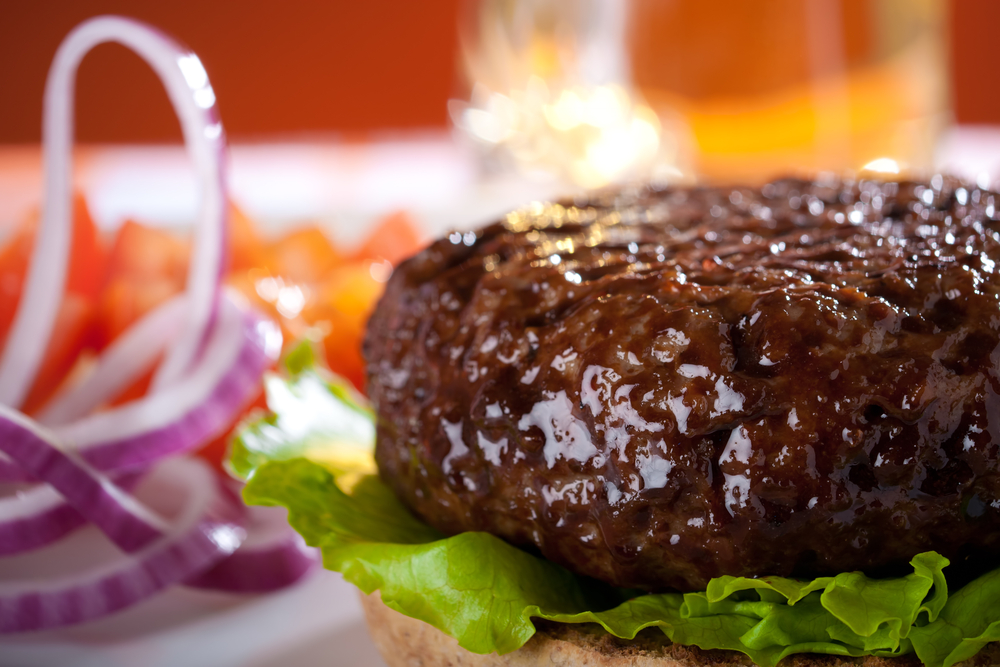
The Institute of Medicine recommends that adults get a minimum of 0.8 gram of protein per day for every kilogram of body weight. That level of protein was selected to prevent the body from slowly breaking down its own tissues. For example, a 160-pound person (72.6 kg) should consume at least 58 grams of protein on a daily basis, which is the equivalent of eating two 4- ounce hamburger patties (It is important to note, as this example demonstrates, that 4 grams of meat does not equal 4 grams of protein.  You must review the nutritional information of the food to determine how much actual protein is in each serving.).

Our food environment is abundant in protein with readily available animal and vegetable sources such as fish and poultry, and other great sources including beans, nuts, and whole grains. The PROTEIN STRETCH module has been constructed so that you do not have to worry about performing any complex calculations. I have already done that for you. Just pay close attention to the food/drink list and the quantities that are listed. It is unwise not to eat enough protein, but it’s also unwise to over consume protein. Protein can be a key to weight loss if you consume it responsibly and choose the best sources of this powerful nutrient.

Try to eat some carbohydrates, fat, and protein at as many meals as possible. Remember that protein and fat take longer to digest, so you’ll feel full longer and decrease the likelihood of cravings. Or use the dinner plate trick: Mentally bisect your plate and load half of it with vegetables and fruits. Then bisect the remaining half and divide protein, fats, and carbohydrates between the sections.

Vegetable sources of protein, such as beans, nuts, and whole grains, are excellent choices, and they offer healthy fiber, vitamins and minerals. The best animal protein choices are fish and poultry. If you are partial to red meat, stick with the leanest cuts, choose moderate portion sizes, and make it only an occasional part of your diet.

Vegetable protein, or any kind of protein, is used by the body for enzymes, structural tissue, hormones, and transplant molecules. Protein wears out relatively quickly and must be replaced, and the source of those replacement proteins is our food. After being digested, proteins give us a new supply of amino acids from which the body continuously rebuilds itself.

Vegetable protein does not cause cancer, unlike animal protein, and so should be the source of all your protein requirements.

Animal protein is also far to high in fat and cholesterol for optimum nutrition. Eggs are 60 percent fat, as is ground beef. Cheddar cheese is 72 percent fat.

salmon gives you 34 grams of protein and 18 grams of fat, 4 of them saturated. A cup of cooked lentils has 18 grams of protein, but under 1 gram of fat.

over consumption of animal protein can cause an increase in uric acid and taxes the kidneys.

As long as you eat plenty of vegetables and fruits there is not such thing as too much protein.

Too much non-lean animal protein makes us nauseated, causes diarrhea and makes our bodies more toxic. it’s important to have a blend of good fats and proteins from vegetable sources.

Reasons to eat lean protein
high levels of protein speed up metabolism, reduce appetite and burn more calories
lowers
Less hungry between meals

low fat protein Improves blood lipids and cholesterol levels,
low fat protein prevents blood sugar swings

Protein is important for the function and structure of our cells, tissues and organs. Protein is broken down and then replaced.

Proteins from plants may lower your blood pressure more than protein from animal sources. the amino acids – the building blocks of protein – in vegetables help keep blood pressure low. The magnesium and other nutrients in vegetables help keep arteries relaxed.

3-4 servings of lean protein – preferably organic poultry or meats, wild caught fish, eggs, protein powders, organic plain yogurt, goat’s milk products, and fermented forms of soy such as tofu, tempeh, or miso.

Exercise and protein

Protein is key for our diets especially if we work out. It’s essential for the development of our muscles. Our muscles work hard for us-burning calories & keeping our metabolism up. If we don’t eat enough protein our bodies steal it from our muscles and organs. It curbs our appetite & balances blood sugar. When you eat more protein you feel fuller longer & you have more energy. So make sure you are getting enough!

Did you know that protein raises your metabolism? Studies show that protein can increase the burning of calories by up to 25%. So make sure you get in your protein – shakes, Greek Yogurt, lean beef, chicken … It takes more energy for your body to digest protein and that extra energy burns more calories!

Meat protein is difficult to digest and requires a lot of digestive enzymes. Undigested meat remaining in the intestines becomes putrefied and leads to more toxic buildup.

Cancer cell walls have a tough protein covering. By refraining from or eating less meat it frees more enzymes to attack the protein walls of cancer cells and allows the body’s killer cells to destroy the cancer cells.

Pine Nuts. These nuts contain the highest amount of protein than any other seed. When we consume protein-rich foods, messages are sent to our hormonal system that effectively tell the brain that we’re full.

For those seeking more protein in their diet, legumes are a great source, and some might even consider them a healthier substitute for protein-rich red meat that contains a lot more fat and cholesterol. Beans, which are a high fiber source, reduce your levels of C-reactive protein which is an indicator of heart disease.

Read more on legumes here

Beef

  • Hamburger patty, 4 oz – 28 grams protein

  • Steak, 6 oz – 42 grams

  • Most cuts of beef – 7 grams of protein per ounce

Chicken

  • Chicken breast, 3.5 oz – 30 grams protein

  • Chicken thigh – 10 grams (for average size)

  • Drumstick – 11 grams

  • Wing – 6 grams

  • Chicken meat, cooked, 4 oz – 35 grams

Fish

  • Most fish fillets or steaks are about 22 grams of protein for 3 ½ oz (100 grams) of cooked fish, or 6 grams per ounce

  • Tuna, 6 oz can – 40 grams of protein

Pork (do we want to include?)

  • Pork chop, average – 22 grams protein

  • Pork loin or tenderloin, 4 oz – 29 grams

  • Ham, 3 oz serving – 19 grams

  • Ground pork, 1 oz raw – 5 grams; 3 oz cooked – 22 grams

  • Bacon, 1 slice – 3 grams

  • Canadian-style bacon (back bacon), slice – 5 – 6 grams

Eggs and Dairy

  • Egg, large – 6 grams protein

  • Milk, 1 cup – 8 grams

  • Cottage cheese, ½ cup – 15 grams

  • Yogurt, 1 cup – usually 8-12 grams, check label

  • Soft cheeses (Mozzarella, Brie, Camembert) – 6 grams per oz

  • Medium cheeses (Cheddar, Swiss) – 7 or 8 grams per oz

  • Hard cheeses (Parmesan) – 10 grams per oz

Beans (including soy)

  • Tofu, ½ cup 20 grams protein

  • Tofu, 1 oz, 2.3 grams

  • Soy milk, 1 cup – 6 -10 grams

  • Most beans (black, pinto, lentils, etc) about 7-10 grams protein per half cup of cooked beans

  • Soy beans, ½ cup cooked – 14 grams protein

  • Split peas, ½ cup cooked – 8 grams

Nuts and Seeds

  • Peanut butter, 2 Tablespoons – 8 grams protein

  • Almonds, ¼ cup – 8 grams

  • Peanuts, ¼ cup – 9 grams

  • Cashews, ¼ cup – 5 grams

  • Pecans, ¼ cup – 2.5 grams

  • Sunflower seeds, ¼ cup – 6 grams

  • Pumpkin seeds, ¼ cup – 8 grams

  • Flax seeds – ¼ cup – 8 grams