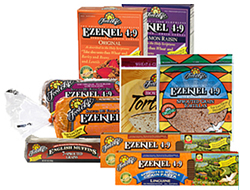
Whole grains are grains that still have the bran, germ & endosperm intact. They are generally less denatured and processed as the whole grain isn’t separated into different parts. Whole grains have naturally occurring nutrients in the entire grain seed. If a grain has been processed, many nutrients will be stripped out during processing so it is best to consume them in their intact, whole form.
Why should we eat whole grains?
Whole grains are an essential part of a healthy diet so we want to make sure and have 2-3 servings per day (see food guide). Whole grains not only contain sources of complex carbohydrates but they also have some key vitamins and minerals. Grains are also naturally low in fat.
When you eat a grain in its whole form, you’re eating it the way they are meant to be eaten and our bodies recognize it as food and has no problem digesting it. It’s just another way to eat as our ancestors ate – as close as possible to the food’s natural state.
Here are just a few reasons to eat whole grains:
- Grains provide a good source of Vitamin E, Vitamin B-6, Zinc, potassioum, folate, iron, thiamin and riboflavin.
- Grains are an excellent source of protein.
- Grains provide nutrients that are not included in refined flour. Whole grains have not had the bran and germ removed, which allows them to retain fiber, B vitamins, minerals, and unsaturated oils.
- Grains may help reduce the risk of health disease. Without grains, your body is at an increased risk for poor heart health and irregular blood pressure.
- Grains contain fiber to help keep you regular with proper bowel function and reduced constipation. The natural fiber can also help curb your appetite, keep you feeling full longer.
- 100% Whole Grain gives energy boosting Vitamin B’s which work to curb tension, moodiness, irritability and depression.
What is the difference between a whole grain, refined grain and an enriched grain?
Be careful not to consume refined grains and only eat grain which are whole, and closest to natural form as possible. They are missing the important nutrients our bodies require.
Refined grains are milled, which is a process that strips out both the bran and germ to give them a finer texture and extend their shelf life. The bran and the germ are the parts of the wheat that contain vitamins and minerals. The refining process removes these nutrients, including fiber. Most refined grains are so refined that our bodies hardly recognize it as food and therefore struggle to digest it properly. Refined grains include white flour, white rice, white bread and many other breads are make with refined grains. You will also find refined grains in cereals, crackers, and other processed foods.
Manufacturers recognize that some of the nutrients are lost during processing so they attempt to add some back in and therefore call it “Enriched”. Since the “nutrients” that they add in don’t occur naturally in the food, our bodies do not know what to do with it and therefore don’t digest it properly. Most enriched grains have very low, if any, fiber left in the grain.
Our bodies have to work hard to digest both refined and enriched products and most of it ends being storing as fat. These processed foods change our blood sugar levels which can lead to type-two diabetes and obesity. These processed foods also stimulate our hunger sensation but doesn’t even come close to satisfying us. So, as a result, we want more and most of us give in and usually eat more. And let’s not forget, when you eat refined grains, you’re not even getting close to the amount of nutrients that whole grains contain.
What foods are whole grain?
- Whole wheat or brown rice pasta
- Quinoa, including Quinoa pasta
- Brown or wild rice
- Farrow
- Whole oats
- Whole wheat or whole grain cereals
- Bread products including bagels, tortillas, pitas, English muffins and buns.
- Corn – including Popcorn
- Crackers
- Bulgur (cracked wheat)
- Buckwheat
- Rye
- Spelt
- Millet
- Barley
- Wheatberries
How do I make sure I’m only eating whole grains?
Be careful as manufacturers can be very creative when it comes to package marketing. Phrases like “contains whole grain” and “made with whole grain” does not mean it is a whole grain. You need to turn the package around and check the ingredient list. Also, just because a loaf of bread says 100% wheat does not mean that it is a whole grain. Grains must contain all their components (bran, germ and endosperm) to be considered a whole grain.Look on the package for Whole Wheat Grain, Whole Wheat, 100% Whole Grain – all these mean that the product is made from completely whole grain.
These descriptions do NOT mean Whole Grain:
- Wheat Flour
- Enriched Wheat Flour
- Unbleached Enriched Wheat Flour
- 100% wheat
- Made with whole wheat
- Pumpernickel
- Stone-ground
- Multi-Grain
- Stoneground
What the best way to incorporate whole grains into my diet?
The world of whole grains are endless so if you’re looking to add more whole grains to your diet, it’s quite easy to replace refined grain products with this type of whole grain substitute.
Instead of regular pasta, try Quinoa, spelt, whole grain, etc. When cooking rice make it brown or wild or try Farro. They have a nice texture and are very flavorful. If you want to slowly transition, foods like rice and pasta can be mixed, using half white and half whole grain. Quinoa is another favorite and is great in salads or as a side dish such as Spanish Rice.
For breakfast, try steel cut oats, oats, and a nice blended cereals from your favorite whole foods store or order great products such as Bob’s Red Mill Muesli is a great blend.
And probably the most popular is choosing to transition over to whole grain breads. A great alternative to bread is sprouted grain breads.
Other whole grains, such as barley, can be added to your favorite recipes such as soups and casseroles. It can be fun to experiment with different whole grains, as each adds a new element to your recipes.
For more information on whole grains visit Whole Grains Council.